Floor Planning
We translate aisles, power drops, prize counter location, and guest age mix into a realistic machine schedule.
Moog adapts the SVC-F service pattern to arcade redemption operators: a split hero, four service disciplines, case-driven delivery examples, dark stats, and a form-led planning call. The advice stays friendly because the decisions are expensive, operational, and visible to every guest.
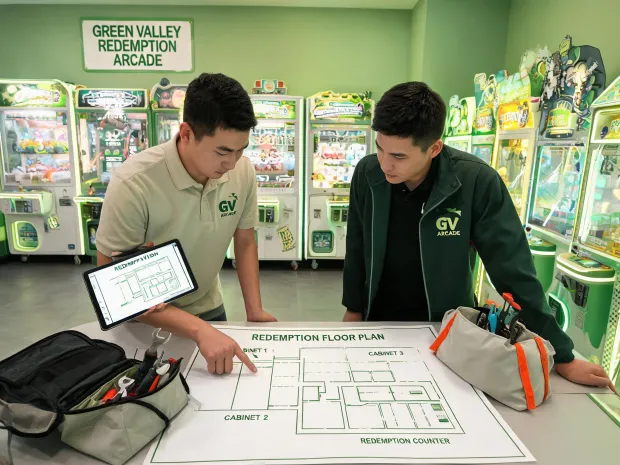
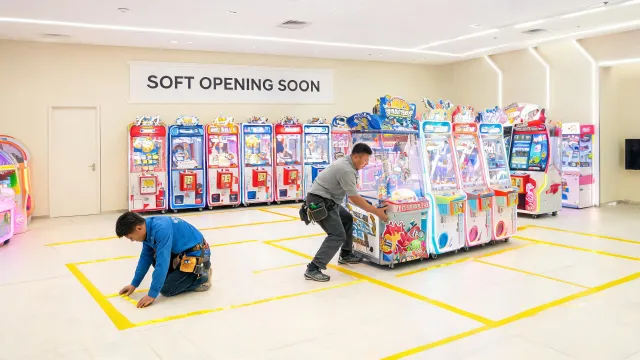
A regional operator arrived with a cabinet list but no aisle logic. Moog reorganized anchor earners near the prize counter, moved quick-play games toward party rooms, and created a two-week service checklist for launch staff. The result was a calmer opening, fewer blocked sightlines, and cleaner handoff between guest attendants and technicians.
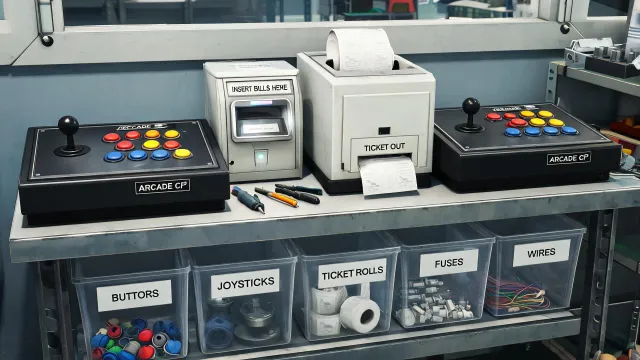
For distributed cabinets, Moog grouped machines by validator, display, motor, and controller families. The operator could stock fewer emergency parts while still covering the most common downtime patterns. That structure also made technician training clearer for new hires.
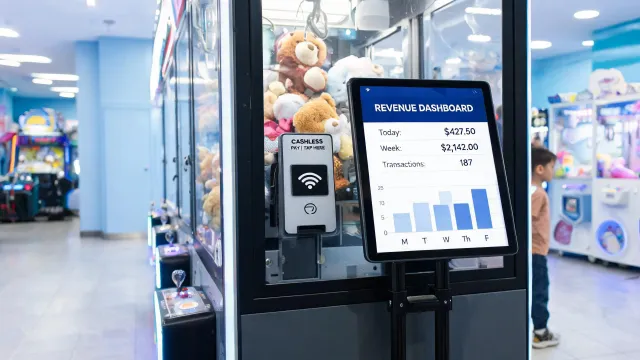
Moog helped a cinema lobby balance card readers, ticket payout, and prize redemption. The plan kept high-traffic payment points visible, assigned staff prompts for first-time guests, and preserved service access behind each cabinet.
Share your opening date, cabinet count, and staff profile. Moog will recommend a support rhythm that does not overcomplicate the floor.